

Program of Presentations
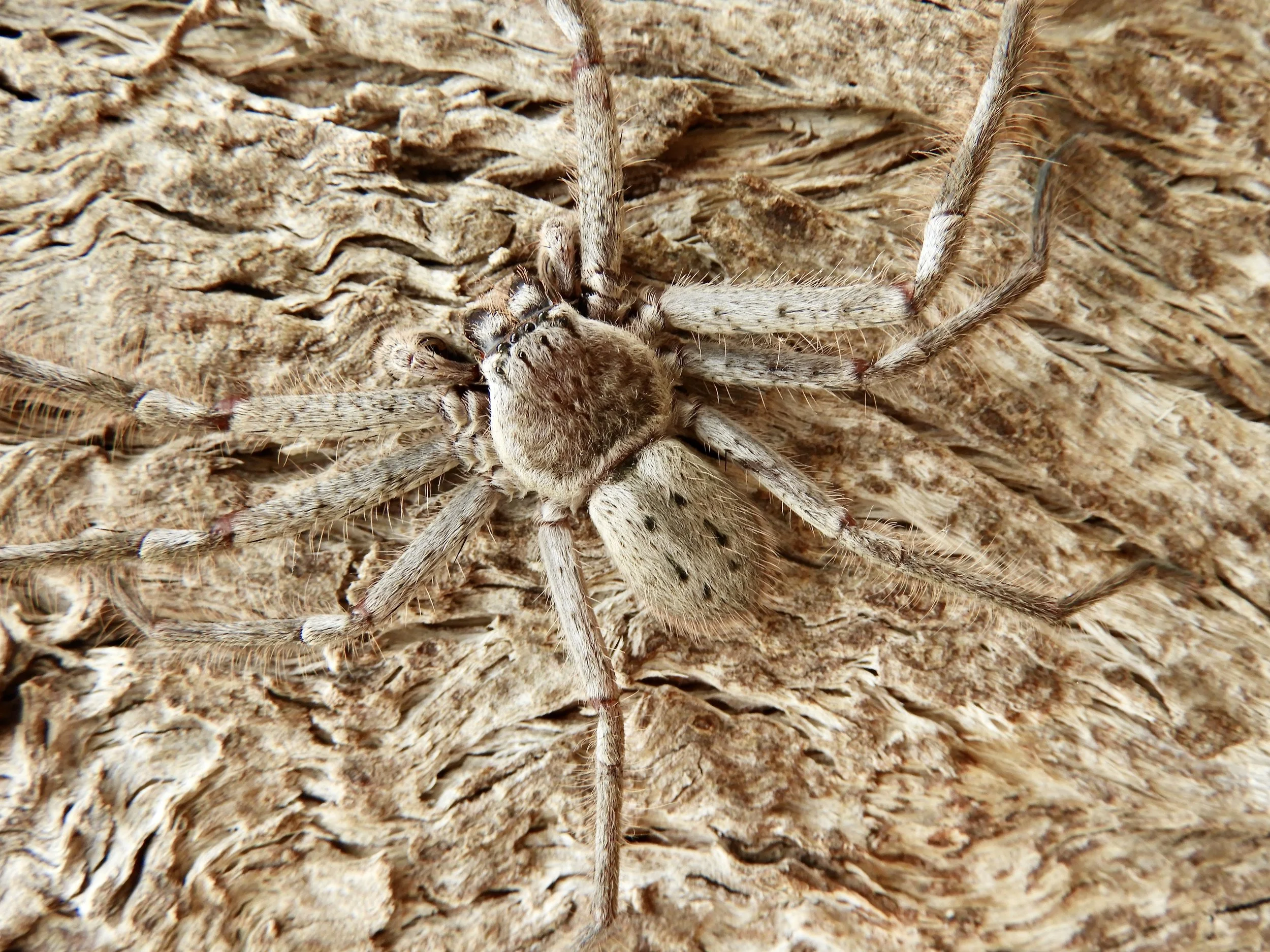
The Art of Deception
Ron Litjens is an enthusiastic, amateur naturalist who has spent many years observing the interactions between wildlife and vegetation both on his bush block in Flowerdale, Victoria, and as a recent ‘townie’ in Yea. He is a regular contributor to a popular local nature blog, a member of the Strath Creek Landcare Group, Yea River Landcare Group and the Yea Wetlands Committee of Management, and has great familiarity with the Latrobe Valley. His talk, 'The Art of Deception', is about some of the strategies and tactics that animals, both predator and prey, use to survive, using examples from our own backyard.
Held at the Moe Library, 29 George St Moe and on Zoom. Contact info@lvfieldnats.org for a link.
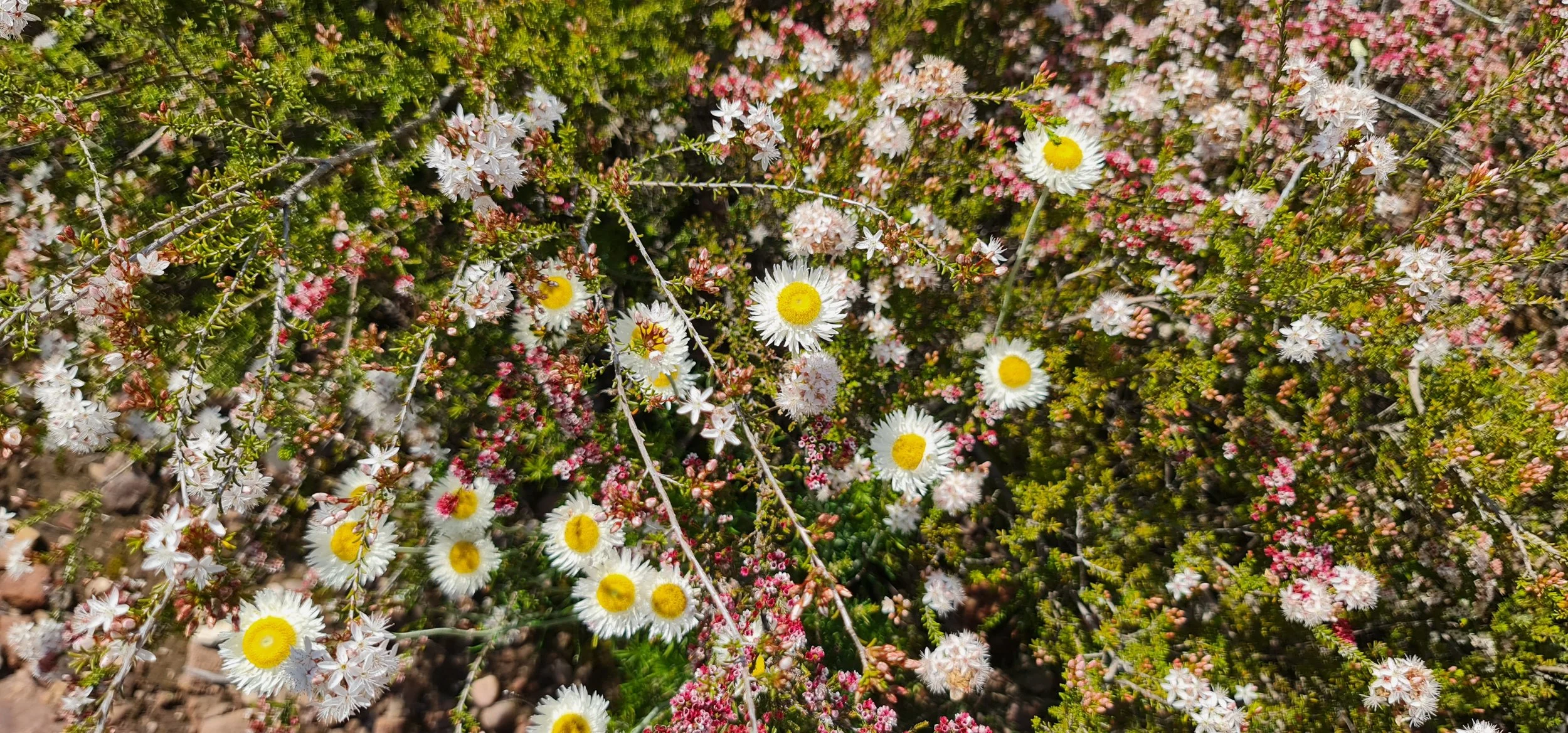
Mt Hedrick and Beyond – Rare Flora, Refuges and a Changing Landscape
Tanya Campigli is studying Conservation at Federation University and will be discussing her interest in the Mt Hedrick environment in an informal, illustrated presentation sharing observations and discoveries from Mt Hedrick and the surrounding landscape. Through photographs, maps and drone footage, we'll explore interesting habitat features, unusual and locally significant flora, including the discovery of Olax stricta populations.
She will also share some of the changes she has noticed across the landscape, including increasing mountain bike and motorbike activity, informal track creation and areas of vegetation disturbance.
Above all, this talk is an opportunity to highlight the natural values that make Mt Hedrick and its surrounding landscape such an interesting place to explore, observe and keep returning to.
Image: © Tanya Campigli
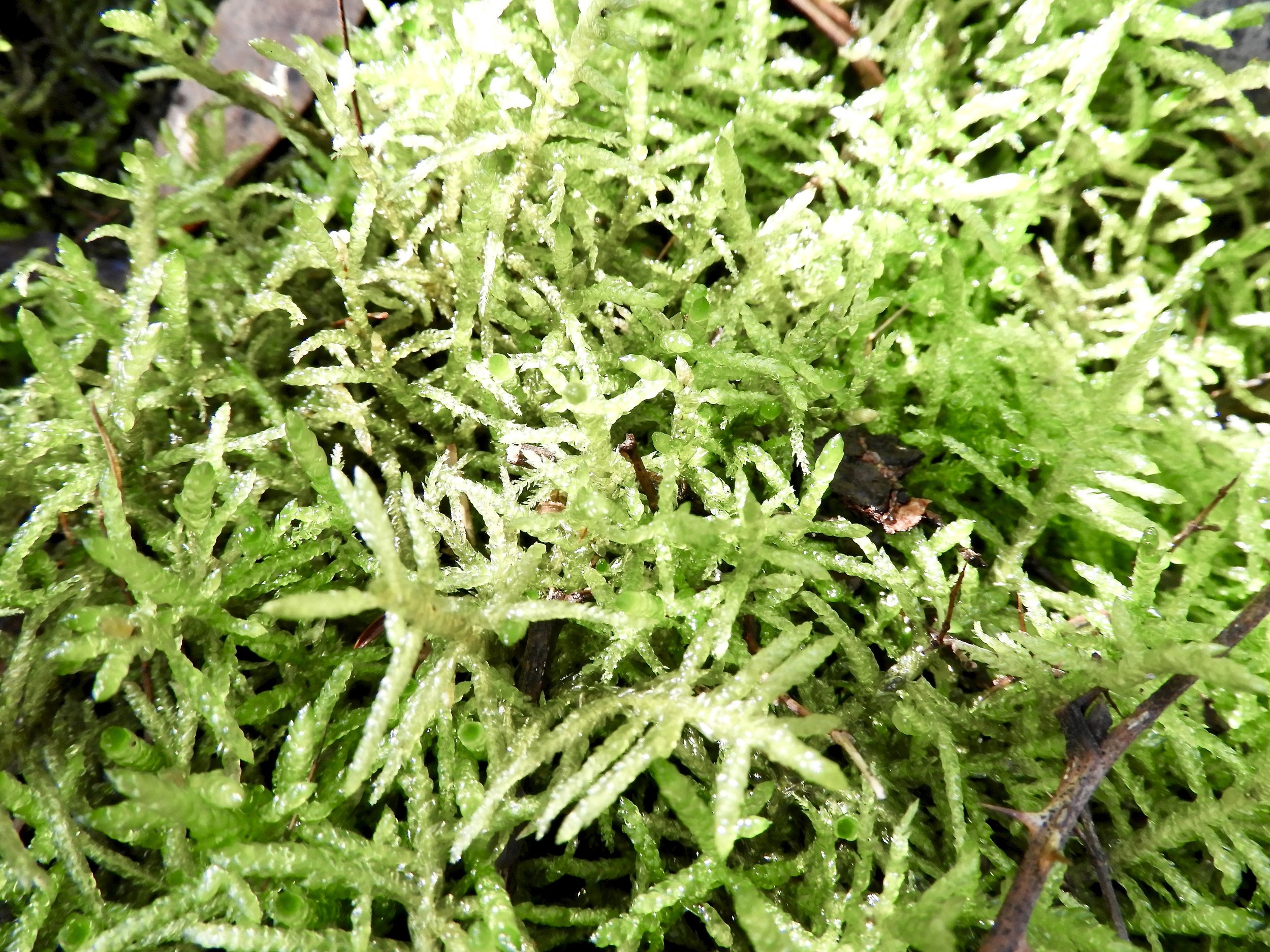
Invertebrates making use of invasive mosses
Ecologist Em Crick will talk about her research which is focused on understanding how non-native plant expansions reshape local food webs. The study highlights that while invasive mosses disrupt native flora, they simultaneously serve as highly functional, novel microhabitats for a diverse community of native and introduced invertebrates.
Ecological Impacts and Interactions
Novel Microhabitats: Invasive moss carpets offer damp microclimates that ground-dwelling invertebrates use for shelter and moisture retention.
Habitat Disruption: While individual bugs may co-opt the moss, the spread of exotic mosses tends to displace native groundcovers and alter natural forest regeneration.
Food Web Shifts: Changes in understory plant composition directly affect local invertebrate assemblages, subsequently impacting predators that rely on native ground bugs.
Image: Pseudoscleropodium purum
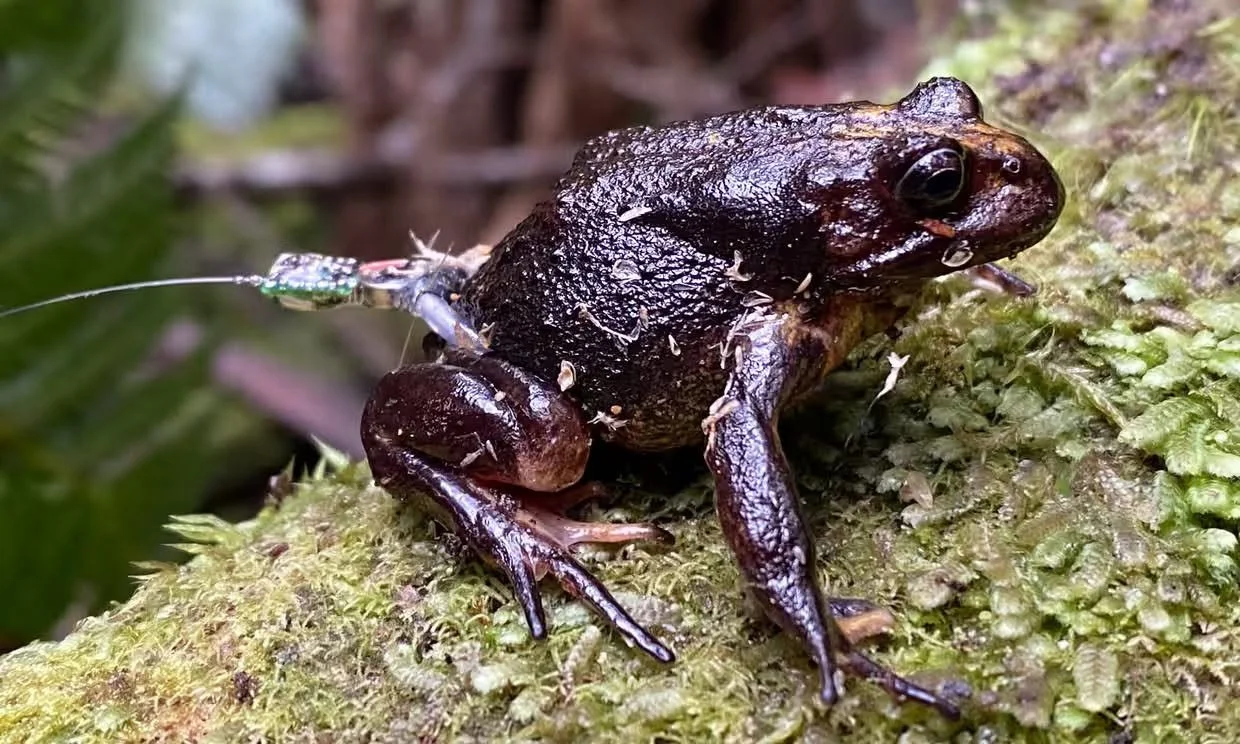
Threatened Species conservation and the plight of the Baw Baw Frog
Guest presenter: Deon Gilbert, Zoos Victoria
Zoos Victoria is fighting to protect many threatened Australian fauna species, such as the Brush-tailed Rock-wallaby, the Eastern Barred Bandicoot, the Southern Giant Burrowing Frog and the critically endangered Helmeted Honeyeater, Victoria’s bird emblem.
In particular, the Baw Baw Frog Philoria frosti is at risk of extinction in the wild in just the next decade or so. The population’s huge decline on the Baw Baw Plateau is mainly attributed to the fungal disease Chytridiomycosis, but impacts from climate change and habitat destruction have also contributed.
Zoos Victoria’s amphibian specialists have over recent years contributed to the first successful breeding program to supplement wild populations. Our speaker, Deon Gilbert, is a key member of this group; he is a threatened species biologist – Herpetofauna with Zoos Victoria and has spent more than a decade studying the Baw Baw Frog and working on its reintroduction to sites on the plateau.
Deon’s talk promises to give us a valuable update on this significant species which has long been of particular interest to many club members.
Image credit: Zoos Victoria
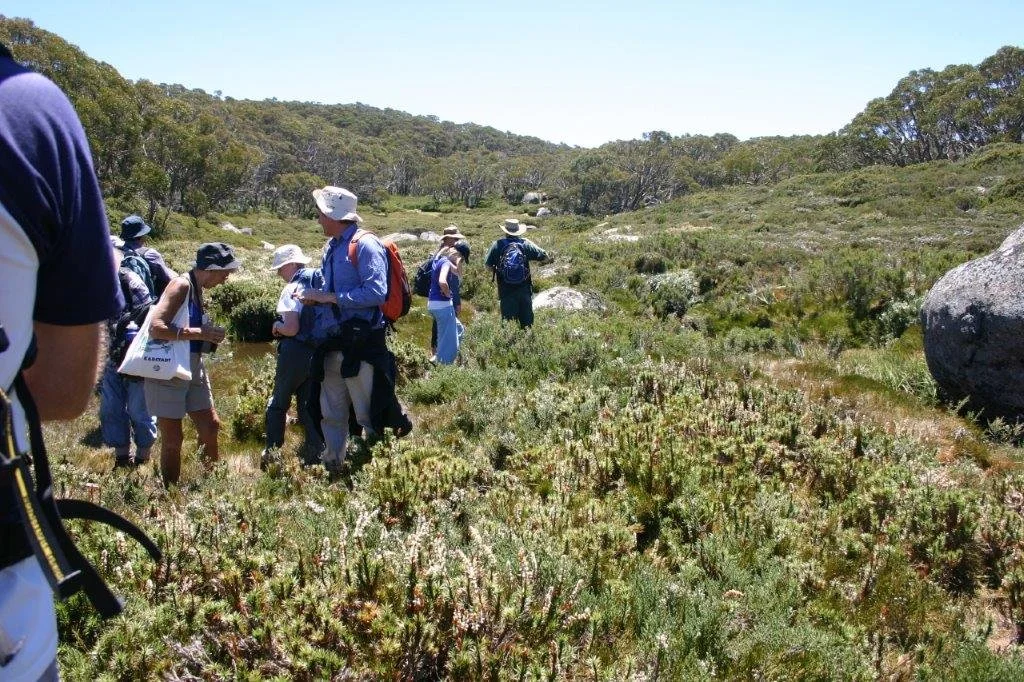
Winter Members' Night
Several Club members will give short presentations about the natural environment in the region and further abroad.
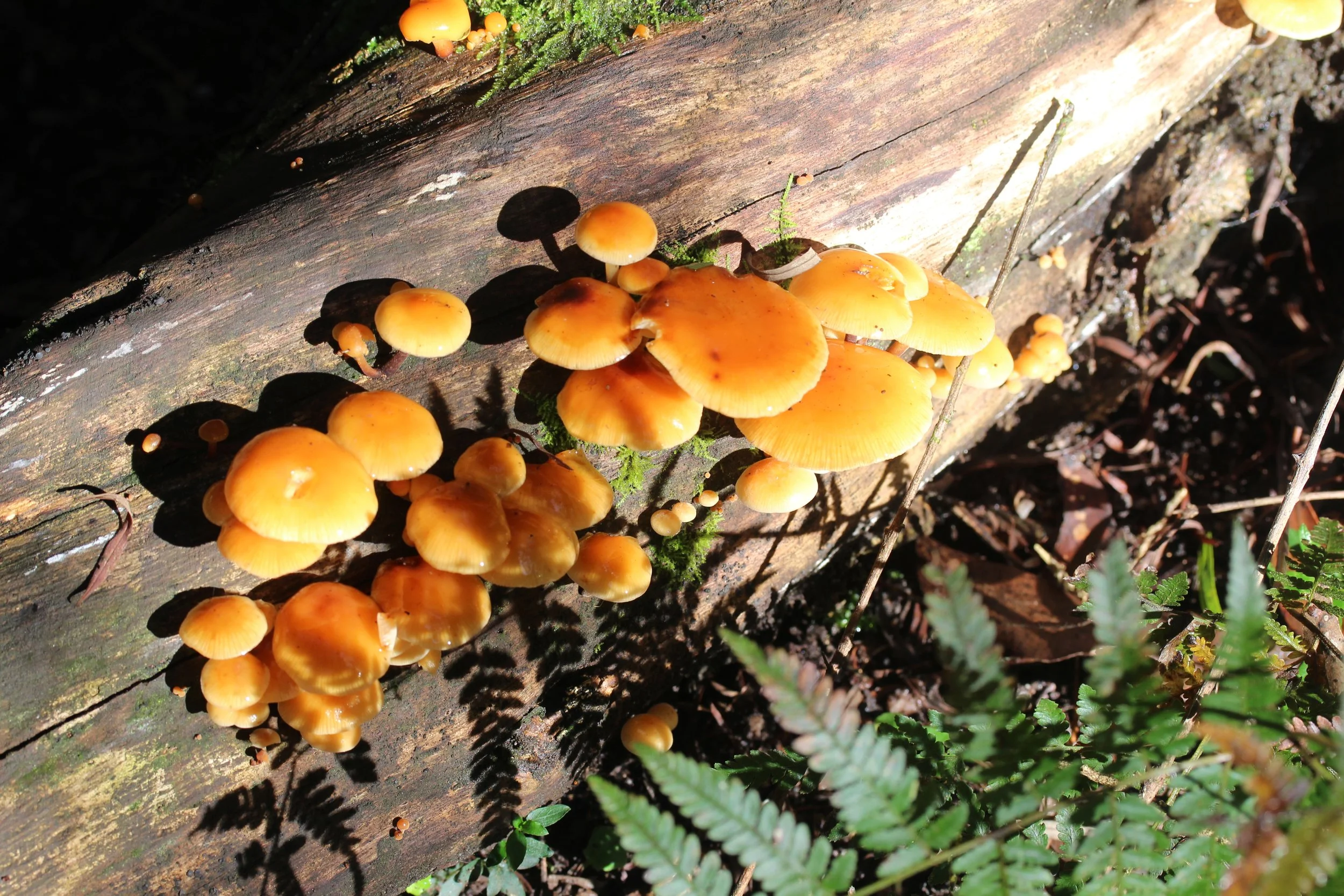
Fungi
Dr Sapphire McMullan-Fisher is a Lecture in Botany at the University of New England and a fungal and plant ecologist who has special interests in the conservation and restoration of biodiversity, particularly the macrofungi and mosses; fire ecology; and field surveys
Sapphire will introduce her book ‘Fungi for Land’ and provide key tips to get you started considering fungi for land management. Learn how Australian fungi:
partner with Australian plants
increase plants’ drought tolerance
recycle nutrients and store carbon
build healthier soils
are food for many animals
and much, much more
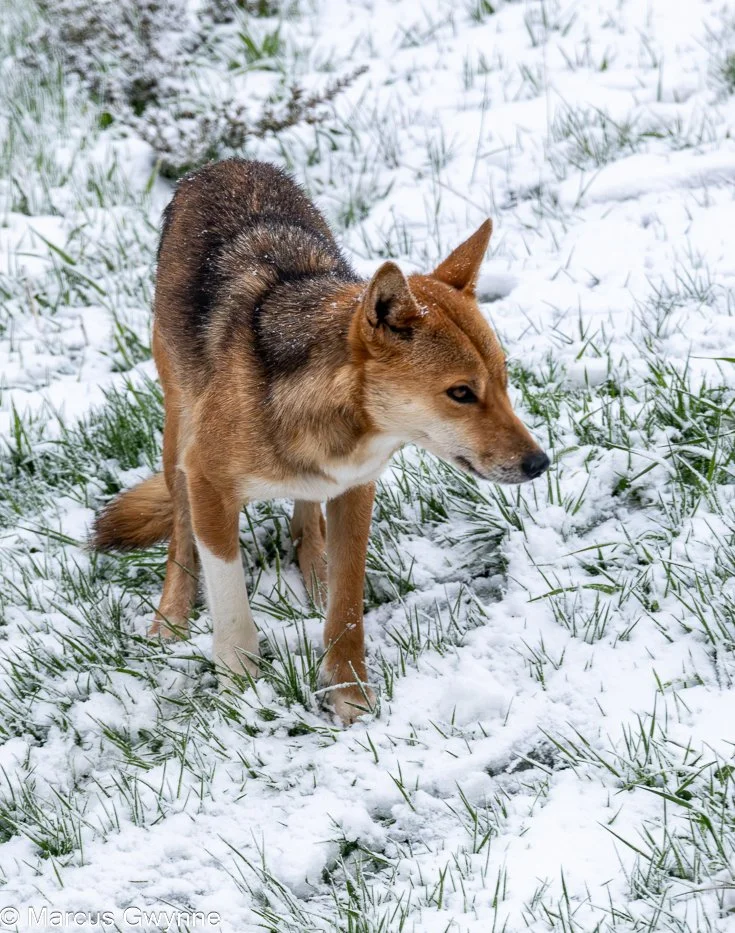
The Dingo Conservancy
The Dingo Conservancy was co-founded by Jo Samuel-King and Marcus Gwynne, two people from different backgrounds, united by a shared passion for Australia’s most misunderstood native apex predator.
Jo, a doctor and environmental advocate, fell in love with the Australian bush as a child exploring the wild outskirts of Canberra. Her fascination with wild canids began with the story of Lobo, a grey wolf immortalised in the writings of Ernest Thompson Seton. This passion evolved as scientific understanding of apex predators—like wolves and dingoes—grew.
And when she saw dingo tracks in the snow at Mt Hotham Ski resort, she learned that they still exist in Victoria. She then went on to discover that dingoes play the same keystone ecological role as wolves do. However, they are the only native Australian species that is not only unprotected but actively persecuted.
Her background in environmental advocacy, spans decades and includes a time on local government as a Bayside City Councillor as well as being the founding president of the Yalukit Willam Nature Association.
Marcus brings a background in science, strategy, business and psychology. Like many, he assumed dingoes were extinct in South-East Australia. Learning that not only were they here, but genetically pure, culturally significant, ecologically vital - and being killed to protect livestock - sparked a deep commitment.
His reason for founding the Conservancy? "Because it’s important, it needs doing, and maybe - just maybe - we can make a difference”.
Presentation by Jo and Marcus at the Moe Library, 29 George St Moe and on Zoom.
Image: © Marcus Gwynn
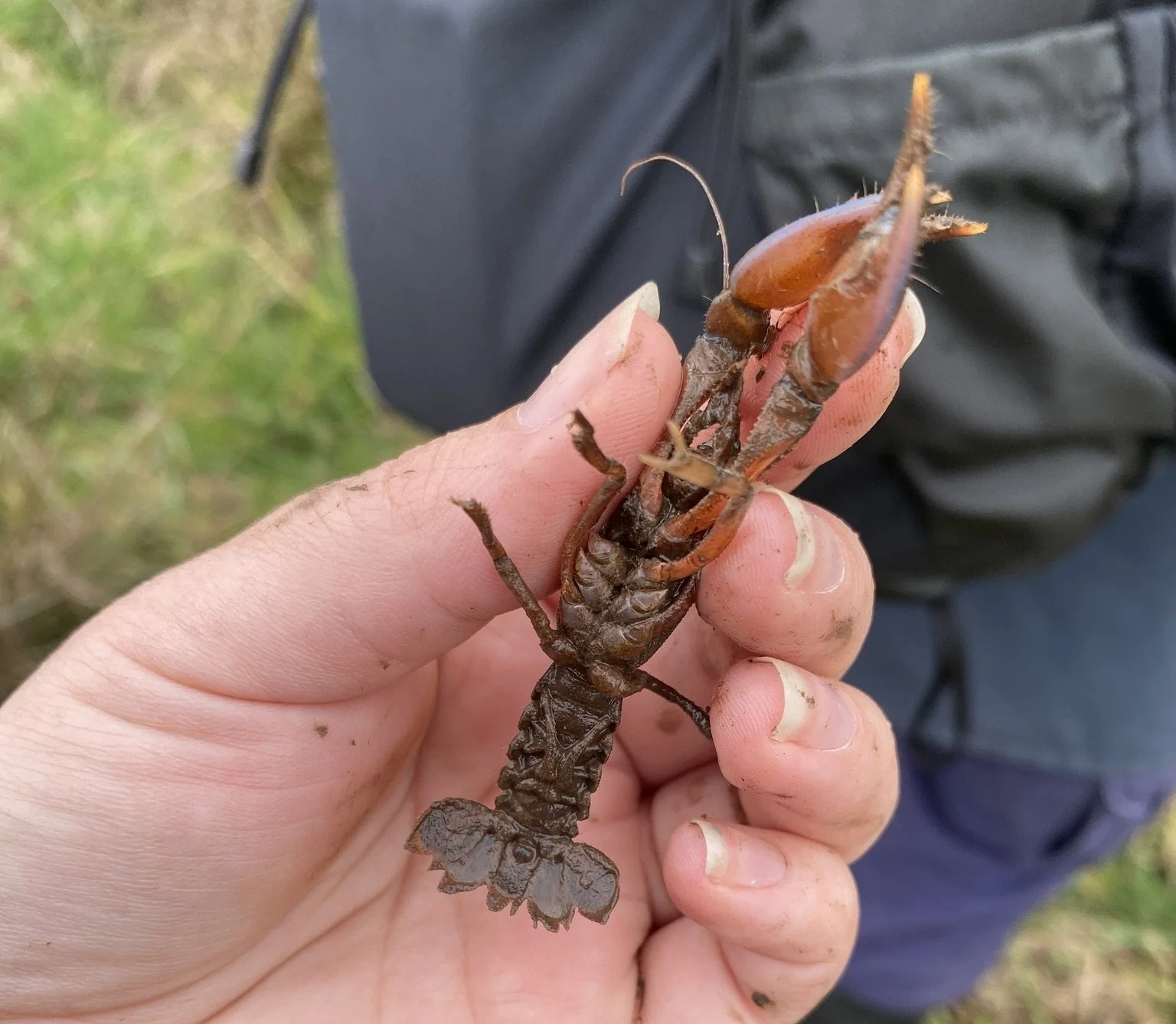
Burrowing Crayfish
Invertebrate ecologist and club member Emily Crick will speak about burrowing crayfish. Em works under specialist Dr Beverley Van Praagh to conduct site assessments and surveys for various subterranean invertebrates, with a particular focus on the Warragul burrowing crayfish and the giant Gippsland earthworm. Em will speak about crayfish habitat, species characteristics, survey methods, how to distinguish between species, and key threatening processes.
Warragul burrowing crayfish are a critically endangered species of terrestrial or land-dwelling cray. They’re found only in around 30 square kilometres of west Gippsland, a very small footprint compared to other animals in the area. While many locals are familiar with the mud 'chimneys' that burrowing crayfish make, Warragul burrowing cray chimneys tend to be very small, short and made of pea-sized balls of mud and are often found in clusters. Although there are multiple ‘common’ species of burrowing crayfish, Warragul burrowing cray are significantly smaller, are mainly tan in colour, sport a small tail and uniquely ‘beady’ eyes.
Held at the Moe Library, 29 George St Moe and on Zoom. Contact info@lvfieldnats.org for a link.
Image: © Em Crick, iNaturalist.
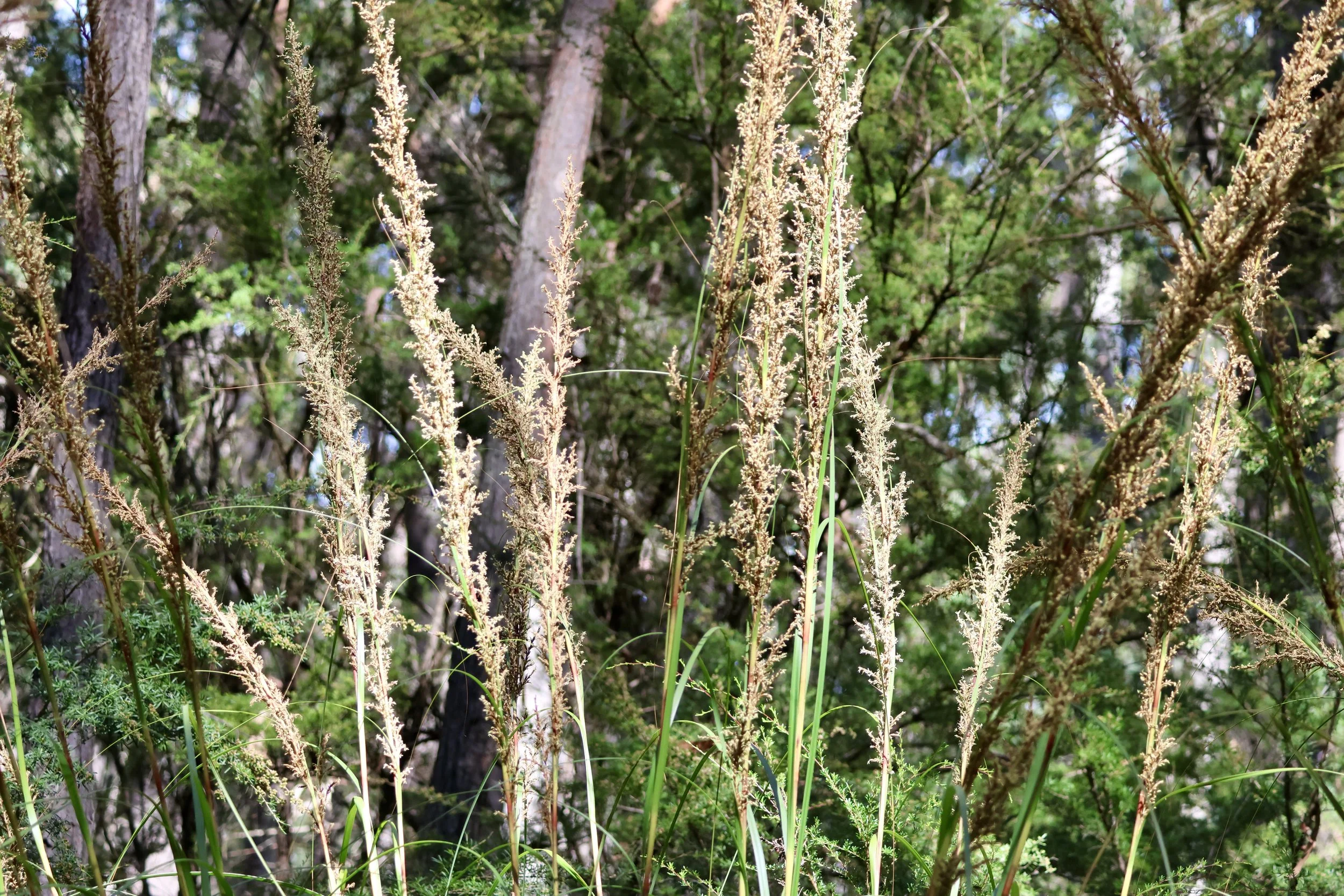
AGM & Speaker
The Club’s AGM and Monthly speaker
Held at the Moe Library, 29 George St Moe and on Zoom. Contact info@lvfieldnats.org for a link.
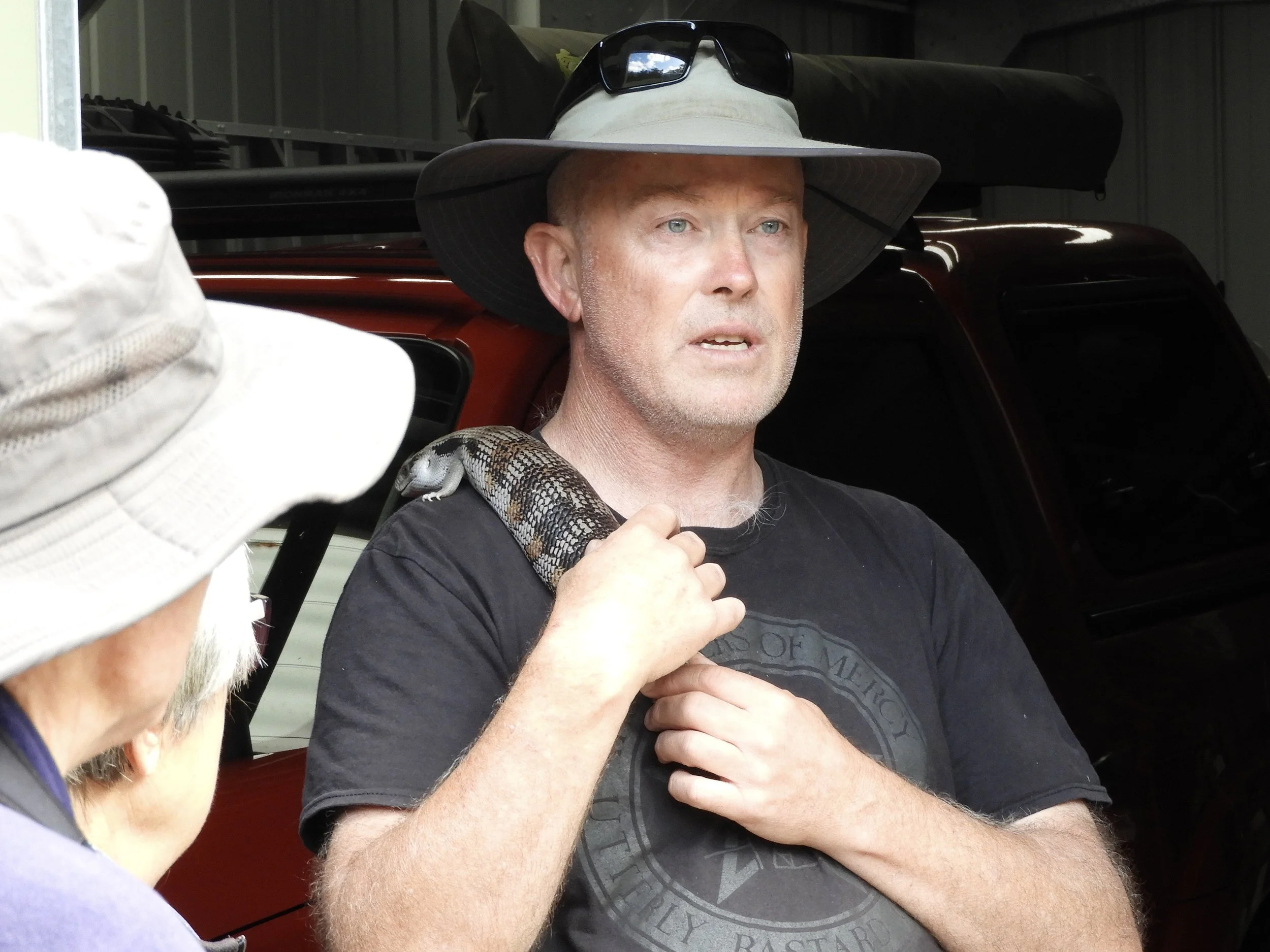
Lizards with Matt Campbell
Matt Campbell is a long time member of the club with an interest and love of reptiles since a young age. Matt is also an excellent photographer having won many prizes at last year’s LVFNC Nature of Gippsland photo competition. He will share his knowledge and pictures during his presentation.
Held at the Moe Library, 29 George St Moe and on Zoom. Contact info@lvfieldnats.org for a link.
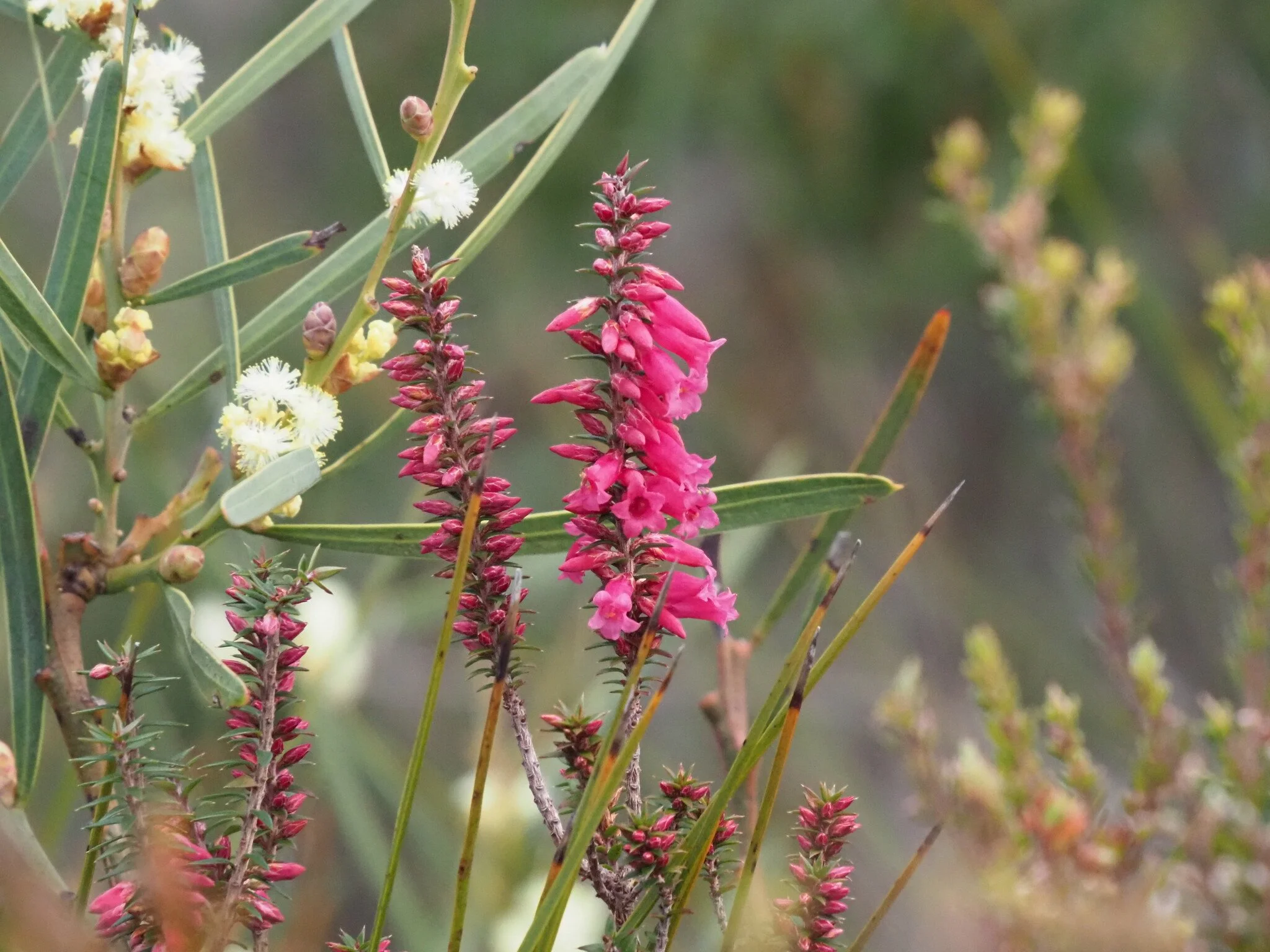
Summer Member's Night
At January and July meetings, club members have the opportunity to share their experiences of natural history in short presentations. This month’s Club Night is Summer Members’ Night. We have four speakers offering presentations:
David Stickney on Birds of Vietnam, Marja Bouman will speak about the LVFNC Summer camp at Mt Buller, Phil Rayment on the 2025 SEANA camp, Ballarat and Tamara Leitch on her trip to Winifred Curtis Reserve, Tasmania. Come along and enjoy the variety of excellent speakers!
Held at the Moe Library, 29 George St Moe and on Zoom. Contact info@lvfieldnats.org for a link.
Image: © Tamara Leitch, iNaturalist

Australian Museum’s Frog ID citizen science project
Holly Butterworth will give a presentation on the ‘Australian Museum’s Frog ID citizen science project. Frogs are among the most threatened animals on Earth, and understanding their populations is vital for conservation. The Australian Museum’s FrogID project empowers everyday Australians to help by recording frog calls using a free app.
In the Latrobe Valley region, thousands of local contributions are helping reveal how frogs are faring. Join Holly Butterworth, a frog call expert at the museum and FrogID Validator, to learn how FrogID citizen science is making a real difference, what local frog species to keep an ear out for, and how you can get involved, whether through FrogID, backyard ponds or DIY frog saunas! Image Credit: Australian Museum
Held at the Moe Library, 29 George St Moe and on Zoom. Please contact the club for a link. info@lvfieldnats.org
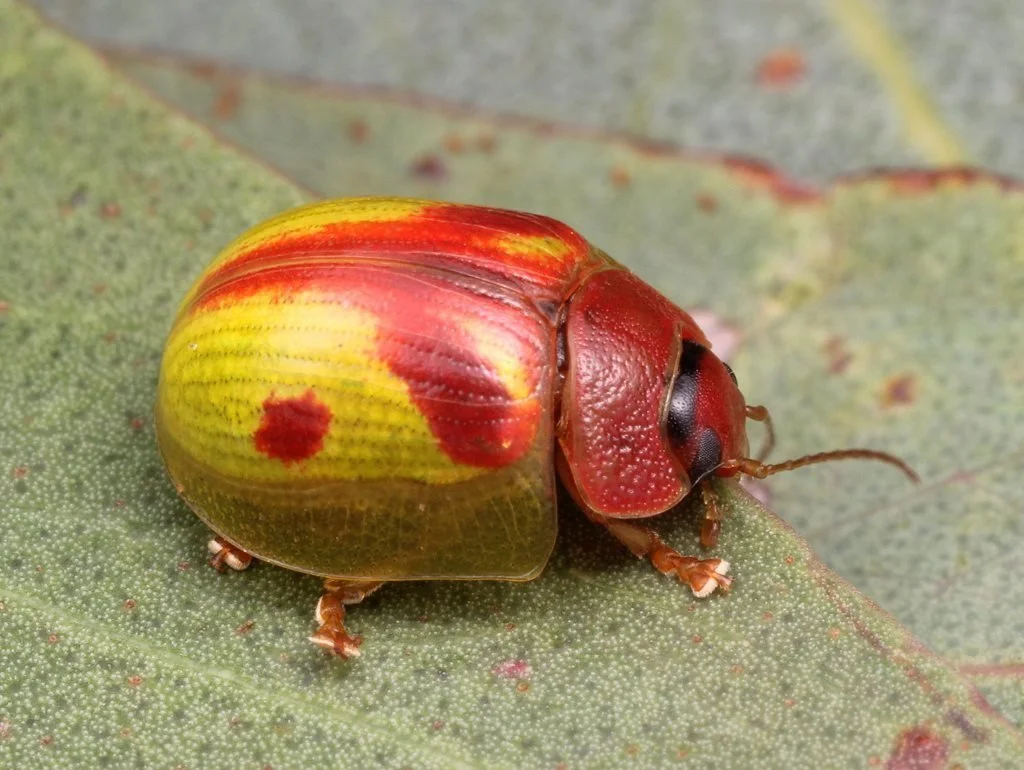
Beetles
Our speaker is Martin Largerwey who is a member of the Entomological Society of Victoria and a generalist amateur entomologist who specialises in Chrysomelinae across Australia. He has published a book on 100 common insects in Victoria (Australia) which is a fun treasure hunt designed to get children involved and slightly more knowledgeable about our local insects. Image: © Martin Lagerwey - Leaf Beetle Paropsisterna sp. undescribed.
Held at the Moe Library, 29 George St Moe and on Zoom. Please contact the club for a link. info@lvfieldnats.org

Blue-winged Parrots
Sue and Neil Woolley of Birdlife Bass Coast will be speaking about the Blue-winged Parrot Neophema chrysostoma. Listed as Vulnerable. Attractive small parrot of southeastern Australia. Olive-green, with yellow belly and mostly dark blue wings. Face yellow between eye and bill, with small yellow triangle behind eyes and thin blue line between eyes. Feeds on the ground in open areas, including sporting grounds and farmland. Compare Rock Parrot (duller green, lacks the yellow on face, and only a thin blue edge to folded wing) and Elegant Parrot (yellower, no yellow patch behind eye). Call a very high, thin, chiming "zit zit." (eBird)
Held at the Moe Library, 29 George St Moe and on Zoom. Please contact the club for a link. info@lvfieldnats.org
Image © ethmostigmus - iNaturalist

Giant Trees
Our speaker this month will be Brett Mifsud. Brett has been saving giant trees for many years and travels around Victoria and Tasmania documenting, recording, photographing and climbing these tall trees. He has published both technical papers and popular articles, and is oft quoted as the Australian expert on tall trees. Photo: © Brett Mifsud
Held at the Moe Library, 29 George St Moe and on Zoom. Please contact the club for a link. info@lvfieldnats.org

Winter Member's Night
At January and July meetings, club members have the opportunity to share their experiences of natural history in short presentations. Speakers are; Peter Grummisch (Macquarie Island wildlife), David Stickney (Borneo) & Jay Duncan (Microbat research from Yinnar/Yinnar South Landcare Group). Image: Microbat by David Stickney
Held at the Moe Library, 29 George St Moe and on Zoom. Please contact the club for a link. info@lvfieldnats.org

Feathers in the Fields: Bird Conservation in Working Landscapes
Dr Alex Maisey is a terrestrial ecologist with a focus on biodiversity conservation and ecosystem management. He will be presenting an engaging overview of some of the bird-focused conservation findings from various projects his research group at La Trobe University has undertaken in recent years. He will begin by introducing some foundational concepts in nature conservation within working landscapes. This will provide a broad perspective on how different landscapes — and their biota — are shifting across the globe. Then, drawing on two major research projects conducted in south-eastern Australian farm landscapes, he will highlight the factors that matter most to Australian birds — including habitat requirements, the influence of farm management practices, and how these considerations can be embedded into formal tools like Natural Capital Accounting. Finally, he’ll explore how farmers (and others who influence land use) can increase the biological value of the landscapes they manage.
This research reflects the efforts of a large, collaborative team — many of whom are leaders in conservation science — who will be acknowledged for their contributions throughout the presentation.
Held at the Moe Library, 29 George St Moe and on Zoom. Please contact the club for a link. info@lvfieldnats.org

Rethinking Planned Burns
Rethinking Planned Burns presentation with Dr Philip Zylstra who came into bushfire research from a career in fire management and specialist remote area firefighting. He is Adjunct Associate Professor at Curtin University, and Postdoctoral Fellow at the University of New South Wales and researches fire behaviour and the implications that this has for the ways we interact with forests.
Held at the Moe Library, 29 George St Moe and on Zoom. Please contact the club for a link. info@lvfieldnats.org

Developing Heyfield Wetlands
Wendy Rhodes will discuss and illustrate the development of the Heyfield Wetlands. The Wetlands are an excellent example of an area that was called ‘the swamp’ and had multiple uses before being converted to wetland. The area contains a wide variety of birds and plants and provides locals and visitors with a pleasant environmental studies and recreation area.
Everyone is most welcome. Held at the Moe Library, 29 George St Moe or register if you wish to use Zoom to join the meeting from home. Please contact the club for a link. info@lvfieldnats.org

AGM & Club History
Former President Phil Rayment will give a talk on the Club’s origins and history. Right from its inception, the club has actively worked for the creation of a good many nature reserves in its region including Morwell National Park, Holey Plains State Park, Crinigan Road Bushland Reserve, Traralgon South Flora & Fauna Reserve, and Wirilda Environment Park.
Following this, there will be a presentation of outstanding service awards.
Held at the Moe Library, 29 George St Moe and on Zoom. Please contact the club for a link. info@lvfieldnats.org

Rainforest of Turtons Creek
Our speaker for this Friday's (28 February) presentation is Karl Just. One of Victoria's most experienced ecologists and botanists. He will present on the ecologically significant findings from a recent vegetation survey conducted in the Cool Temperate Rainforest of the Turtons Creek area in South Gippsland undertaken by Karl and Dylan Osler.
Tune in via Zoom from home or attend the Moe library with us to hear about these quite exciting results, made public in just this last week.

Jean Galbraith: Writer in a Valley
The subject of this meeting is Jean Galbraith: Writer in a Valley. Dr Meredith Fletcher, who was director of the Centre for Gippsland Studies at Monash Gippsland for twenty years, has written a biography of the world famous Gippsland botanist and writer, Jean Galbraith. In her presentation, she will provide an overview of Jean Galbraith’s writing on Australian flora for a diverse readership including naturalists, gardeners and children. Miss Galbraith was a founding member of the LVFNC. She discovered several new plant species including the Wellington Mint Bush. The meeting will start at 7.30 pm at the Moe Library. Contact the club for more details or a zoom link if you wish to attend online.
Photograph: Dr Fletcher with Wellington Mint Bush Credit: Kylie Singleton
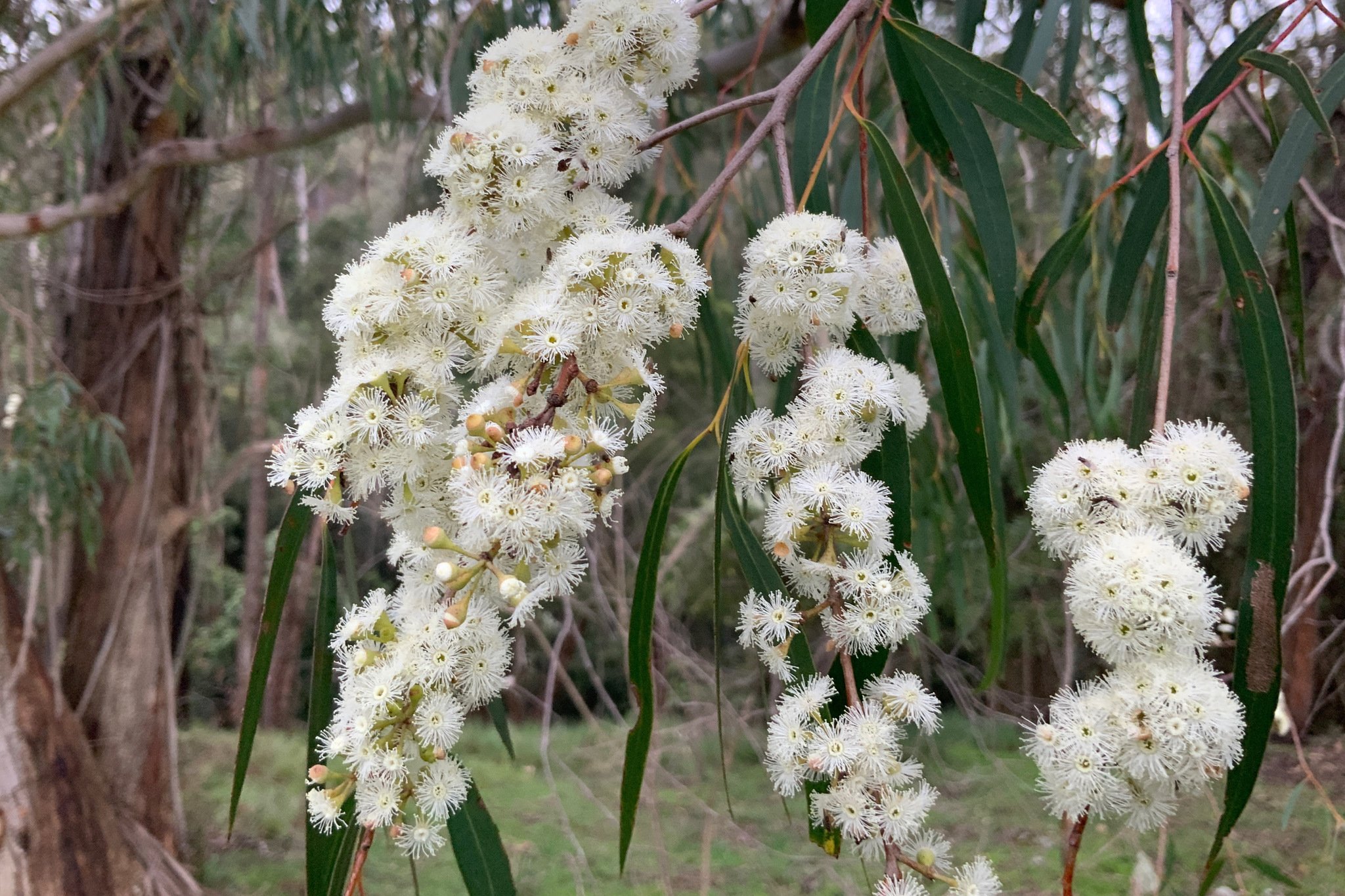
Avon Peppermint
Join the LVFNC for an exciting talk by Royal Botanic Gardens researcher and Horticulture Team Leader Russell Larke who will discuss his work on the Avon Peppermint, Eucalyptus ornans, a species of mallee that is currently listed as critically endangered. It is only known to grow in a single population near the Avon River. John Topp, one of our members has assisted the Royal Botanic Gardens in locating specimens. Contact the club for more details and a zoom link. Image: © Vik Dunis, some rights reserved (CC-BY-NC)

Urban Bird Behaviours
For this month’s presentation our speaker will be Dr Jacinta Humphrey presenting via zoom on Urban bird habitats and behaviours. Jacinta has her PhD with the Research Centre for Future Landscapes at La Trobe University. Her research focuses on the impacts of urban development on the birds that share our suburbs. Jacinta is passionate about creating and maintaining habitat for wildlife in our cities, and hopes that her work will contribute to a greener, more biodiverse future.
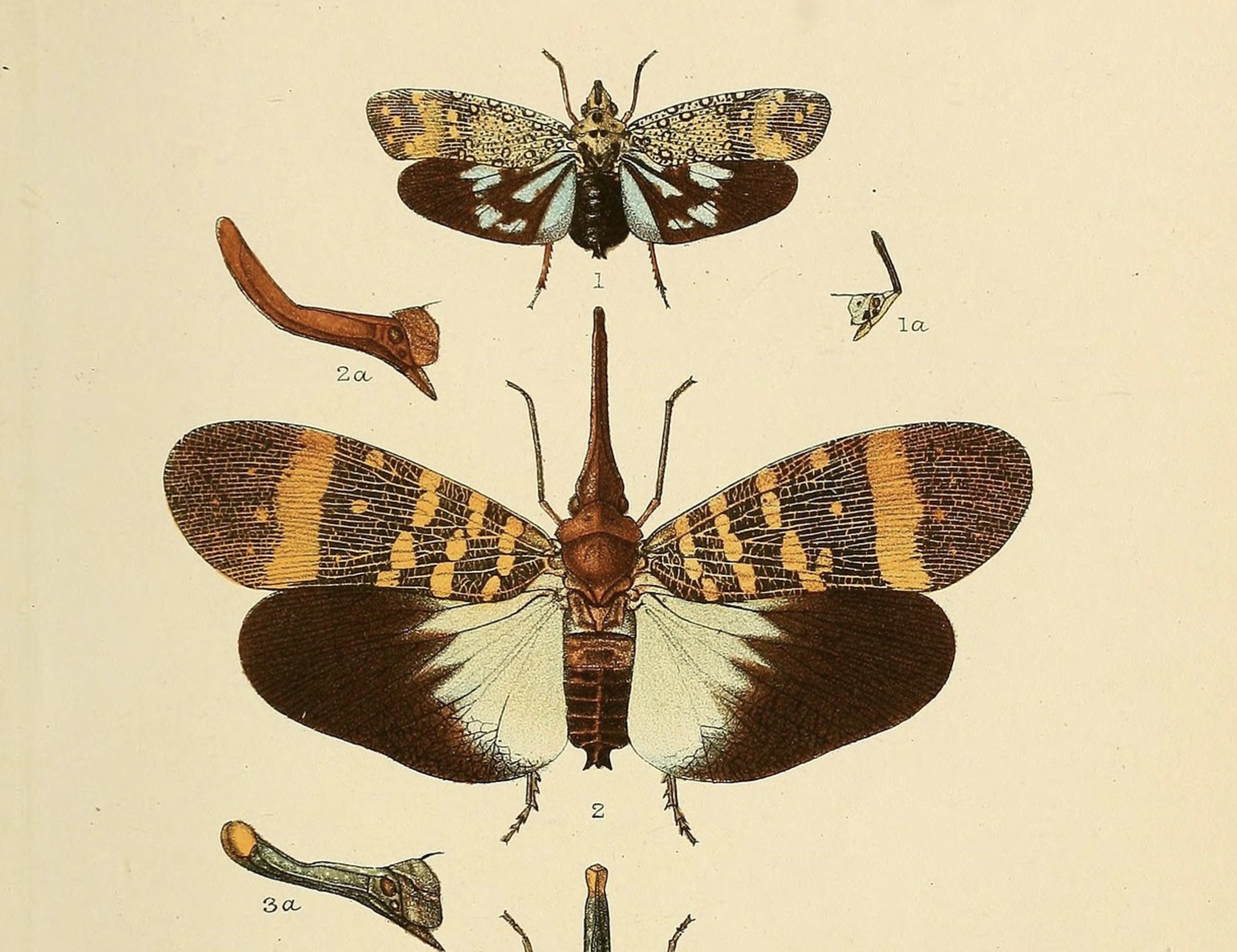
Biodiversity Heritage Library Australia
Nicole Kearney, Manager BHL Australia, will talk about the national project working to digitise Australia's biodiversity literature and make it openly accessible online on the Biodiversity Heritage Library website. This will be followed by monthly meeting.
Image: New Species of the Genus Fulgora. (detail) Trans. Ent. Soc. Lond. 1891. PL. XX West, Newman; Horace, Knight.

Winter Members Night
There will be a series of short presentations by members of the Club, followed by the monthly meeting.
Speakers: Alix Williams with a pre-excursion briefing for Tyers Park; Nigel Beresford showing fungi photos; Andy Johnson, photographs from his Latrobe Valley series and Andrew Fraser, ‘Astronomy for Naturalists’ – what you can see in the night-sky with binoculars.
Image: © Nigel Beresford
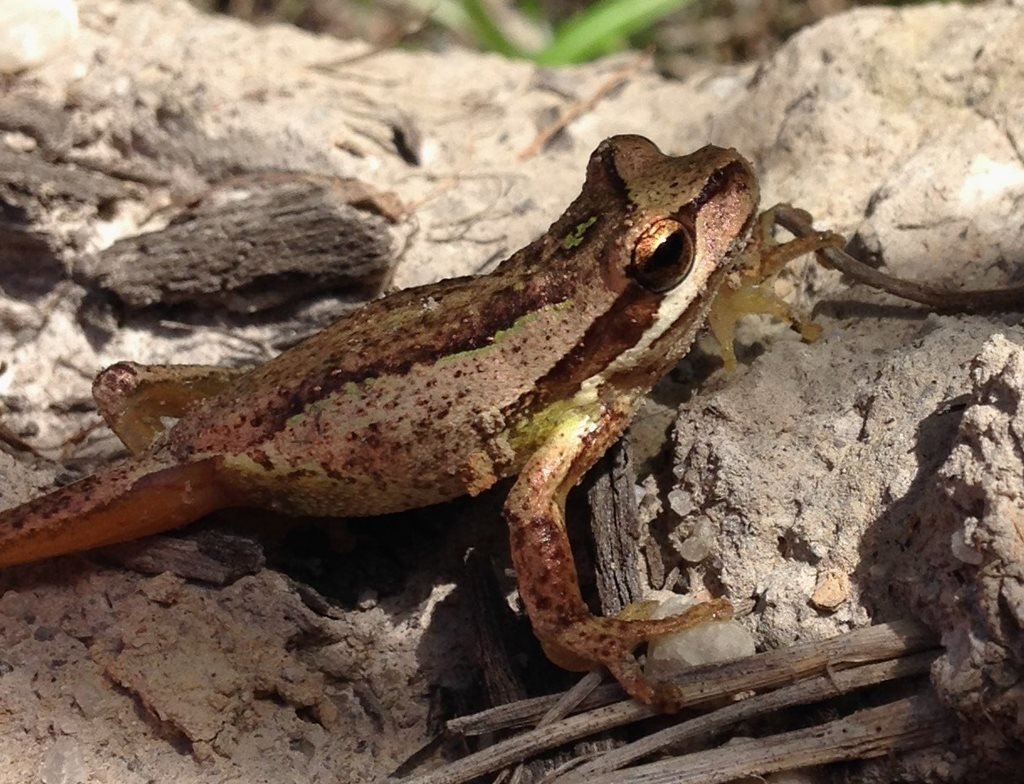
Wildlife Health Victoria: Surveillance
Since 2008 Pam Whiteley from Melb University has coordinated Wildlife Health Victoria: Surveillance – which includes community groups, state agencies and scientists at the Melbourne Veterinary School, Wildlife Health Australia – in a collaborative network to improve the health of endemic mammal, bird, reptile and amphibian populations in Victoria. Health surveillance can reduce the impacts of disease on wildlife biodiversity.
This will be followed by the monthly meeting.

The weird and wonderful world of fungi
Geoff Lay, a keen naturalist and photographer for over 50 years, will show you all the different types of fungus and describe the major role they perform in the environment. Find out about rings and veils, caterpillar murderers, stinkhorns and earthstars.
Moe Library and on Zoom – contact club for zoom link.
Presentation will be followed by the monthly meeting.

Marvellous Mistletoes
David Watson, a plant biologist from Charles Sturt University will talk about Mistletoes and their biological function.
"Mistletoes are a bird beacon but they also provide for sugar gliders, koalas, possums and butterflies. There are around 1,500 different species of mistletoe in the world, and all 92 in Australia are endemic — found nowhere else in the world.”
This will be followed by the monthly meeting.
NOTE: Please visit our website www.lvfieldnats.org to register if you wish to use Zoom to join the meeting from home and/or if you would like to come on the excursion.

Lacewings
Ken Harris will present some of his vast knowledge about one of his favourite species, Neuroptera.
Prior to this the club will have their annual AGM.

Alpine Snow daisies
Holly Mlikota is part of the Extreme Plant Ecology Research Team at Deakin University, investigating the ecology of the five Victorian species of Celmisia snow daisies, and hopes to improve our understanding of these species’ ecology, particularly relating to water, with a view to predict how they might respond to climate change and survive under reduced precipitation and changing snow regimes.
This will be followed by the monthly meeting.
Image Credit: Holly Mlikota

Summer Members’ Night
At January and July meetings, club members have the opportunity to share their experiences of natural history in short presentations. This will be followed by the monthly meeting.